EVT, DVT, and PVT are often seen as lengthy hurdles, yet they form the backbone of reliable hardware product development. Each phase systematically reduces risk, validates performance, and ensures manufacturability—transforming early concepts into market-ready products. At Axio Electronics, we follow a rigorous validation path to guarantee that every device not only works but thrives in real-world conditions.
Engineering Validation Test (EVT) - Functional Prototype Bring-up- Power, Clock, Reset Verification - Sensor & Peripheral Testing - Core Feature Validation
Design Validation Test (DVT) - Full Spec Compliance Testing - Environmental & Reliability Stress Tests - Certification & Pre-Compliance (FCC/CE/EMC) - Firmware & Hardware Integration Validation
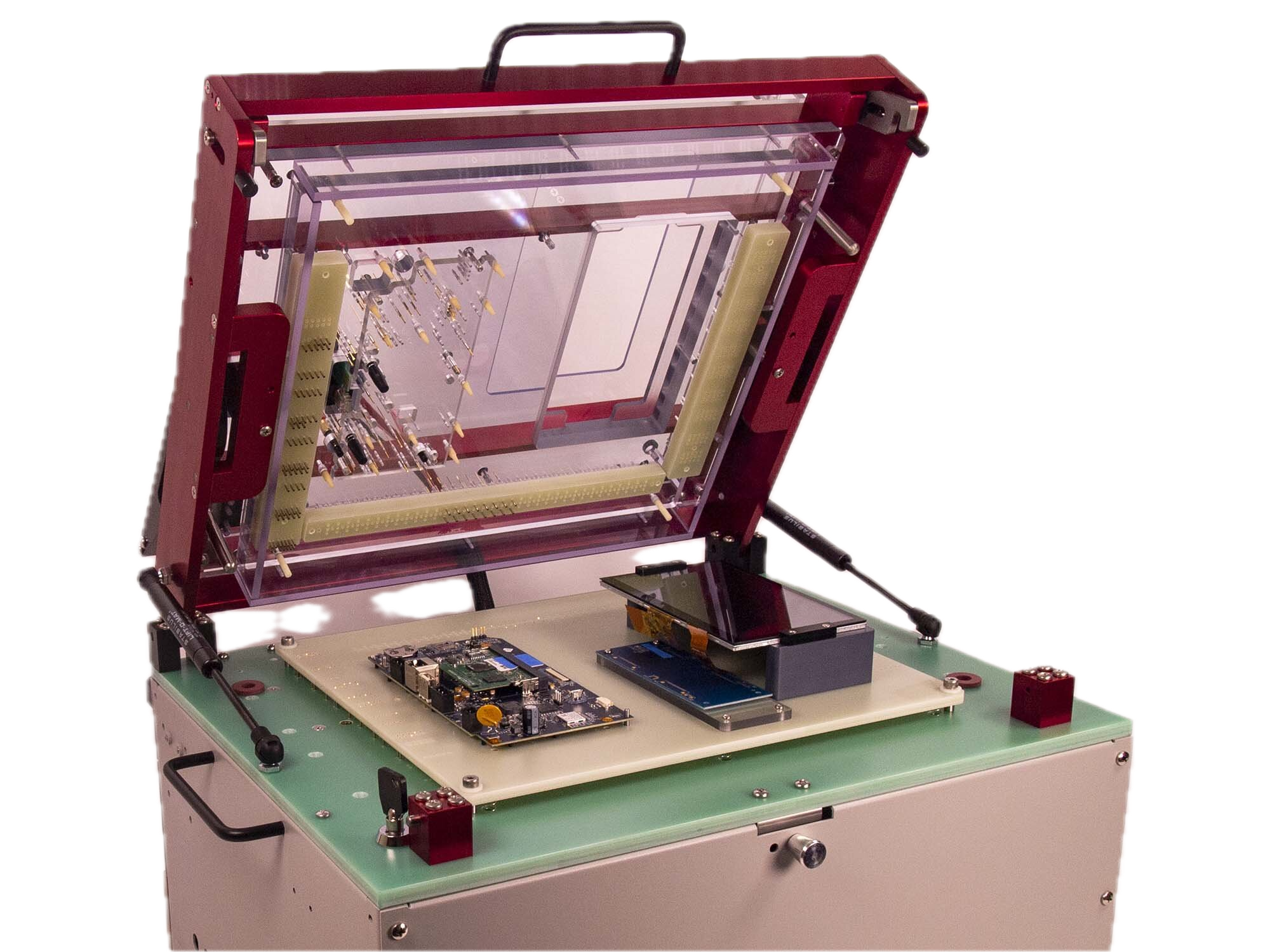
Production Validation Test (PVT) - Pilot Production Run (100–500 units) - Assembly Line Test Jig Implementation - Yield Analysis & Process Optimization - Mass Production Readiness & QA
EVT ,DVT ,PVT is a comprehensive suite of tools designed to streamline the development and testing process for hardware products. It offers a range of features that help developers catch defects early, ensure quality, and deliver reliable products to customers.
- Risk Reduction: Catch defects before they scale.
- Quality Assurance: Meet performance targets in all conditions.
- Scalability: Ensure manufacturing is cost-effective and repeatable.
- Customer Confidence: Deliver safe, reliable, and certified hardware.
OUR CASE STUDY
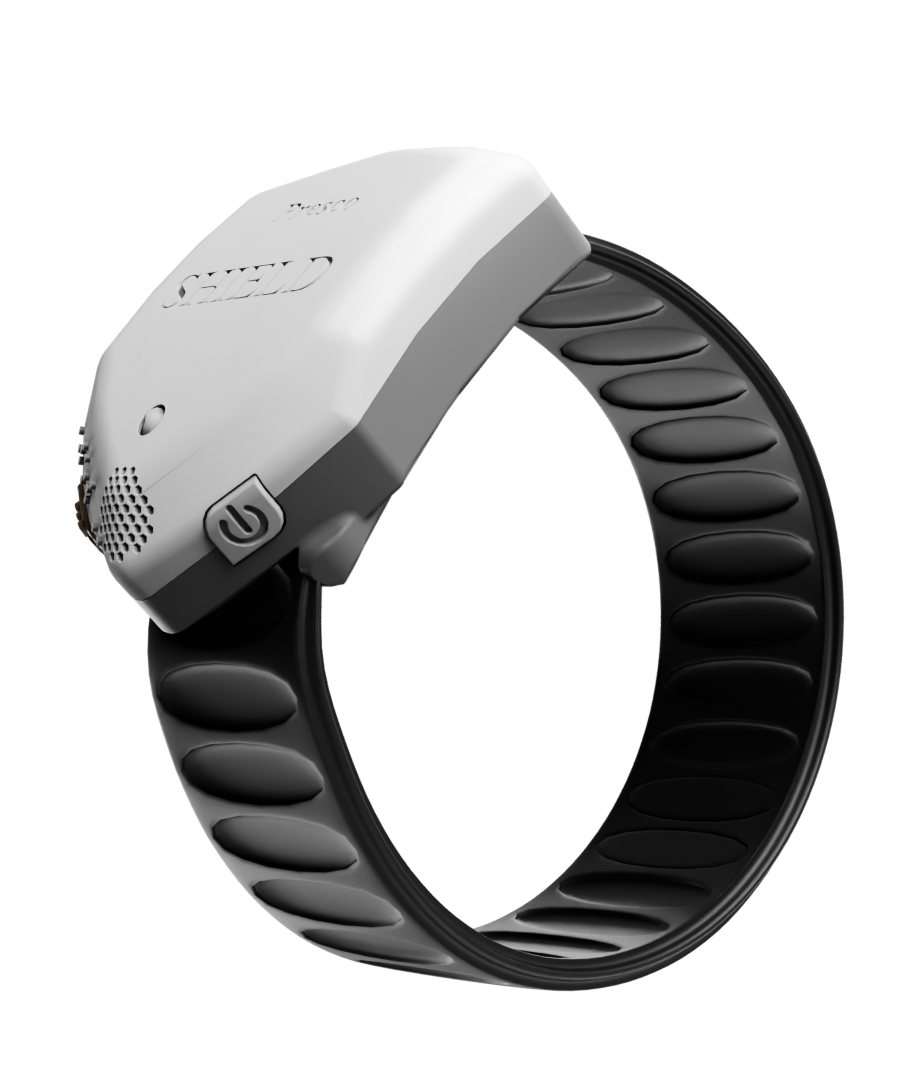
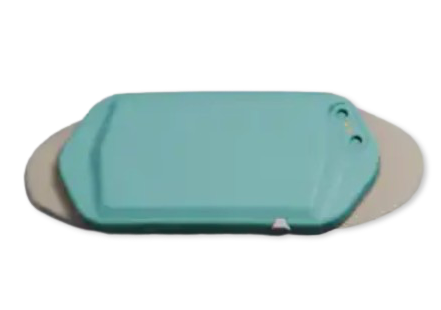
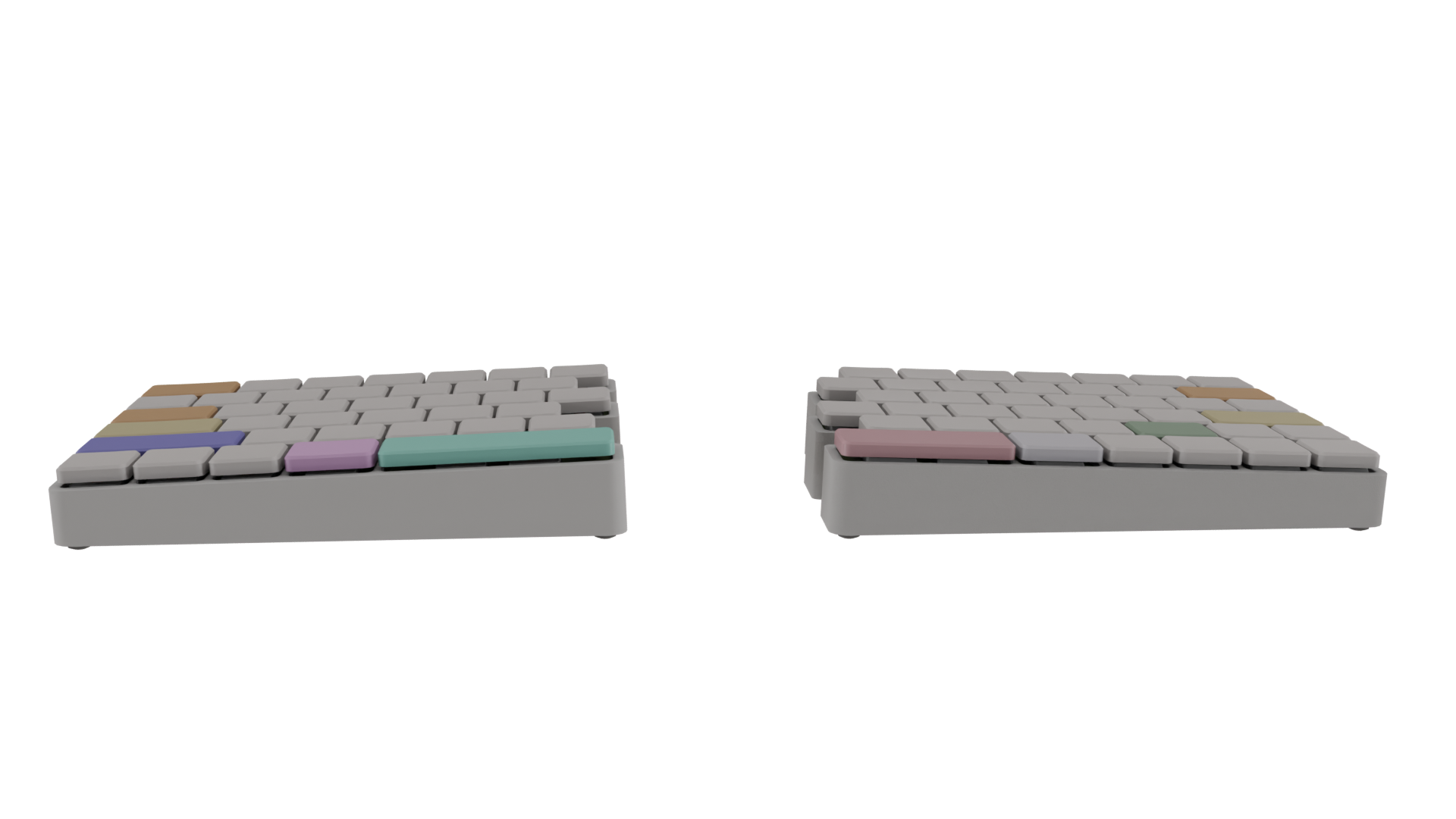
EVT + DVT + PVT Testing Guide & Timeline

EVT (Prototype Bring-up & Functional Validation)
2 weeksEVT (Core Feature Testing)
DependsDVT (Design Validation & Reliability)
2 WeeksDVT (Certification & Compliance Prep)
2 WeeksPVT (Pilot Production Run)
4-6 WeeksPVT (Mass Production Readiness)
2 WeeksOngoing QA, Yield & Feedback Loop
OngoingExpert Rapid Prototyping for Faster Product Development
At Axio Electronics, we rapidly prototype ideas into test-ready products using in-house PCB fabrication, 3D printing, and firmware integration for faster validation.
We optimize designs with hardware, firmware, and mechanical teams, ensuring performance and scalability. With 50+ projects, we deliver cost-effective, market-ready solutions.
ENGINEERING VALIDATION TESTING
PCB Testing & Debugging – Oscilloscope, Multimeter, Logic Analyzer
Power Consumption Analysis – Otii Arc, Monsoon Power Monitor
Wireless Connectivity Testing – RF Spectrum Analyzer, Network Protocol Analyzer (Wireshark, nRF Connect)
Sensor Accuracy Testing – DAQ Systems, Environmental Chambers
Firmware Debugging – JTAG Debugger, Embedded IDEs (STM32CubeIDE, Keil, MPLAB)

DESIGN VALIDATION TESTING

PRODUCTION VALIDATION TESTING
Pilot Production Batch Testing – Automated Test Equipment (ATE), Functional Test Fixtures.
Factory Yield & Assembly Consistency – Inline Optical Inspection (AOI), X-ray Inspection.
Final QA/QC Defect Detection – Automated Optical Inspection (AOI), Functional Testing Stations.
Regulatory Compliance Certification – FCC, CE, UL, ISO, FDA testing via certified laboratories.
Packaging & Logistics Verification – Drop Test Machines, Environmental Chambers.
How we communicate?
Bi-weekly technical calls, Weekly PDF reports, Robust version control, project management access
Deliverables
(Timeline - 8-12 Weeks)*
- Fully Tested & Debugged Functional Prototype – Ensuring hardware meets design and performance requirements.
- Power & Connectivity Performance Report – Detailed insights on power consumption, wireless performance, and sensor accuracy.
- Mechanical & Environmental Durability Report – Results from waterproofing, impact, thermal, and vibration testing.
- Regulatory Compliance & Certification Support – Assistance in meeting FCC, CE, UL, ISO, FDA, and other standards.
- Manufacturing & Assembly Readiness Report – Evaluating production efficiency, quality control, and defect analysis.
- Pilot Production Batch Results – Verification of factory yield, assembly consistency, and scalability assessment.
DOWNLOAD SAMPLE
EVT, DVT, PVT
DOCUMENTS
We prepare for next steps
Prepare development plan from idea to manufacturing
Get a financial proposal for development
Frequently asked questions
What is the difference between EVT, DVT and PVT?
EVT evaluates engineering risks and core operation, DVT evaluates the design against agreed product requirements, and PVT evaluates the intended production process. Names and boundaries vary, so define the actual entry and exit criteria for your product.
Is there a standard batch size for each validation stage?
There is no single batch size suitable for every product. Choose quantities from the purpose of the test, design risks, required evidence, manufacturing process and available resources.
Does passing internal testing mean a product is certified?
No. Internal engineering evidence and third-party certification are different outcomes. Identify the applicable market and product requirements and agree the laboratory or specialist work separately.
What should I share before requesting a proposal?
Share the problem to solve, intended users, product stage, required functions, operating environment and target quantity. Existing drawings, board files or test results help define the next engineering step.
Who owns the design files and source code?
Ownership, licensing, third-party components and handover files are defined in the project agreement. Agree these terms before development starts, including access to editable design files and source code.
How are development cost and schedule estimated?
The estimate depends on scope, technical uncertainty, prototype iterations, component availability and validation needs. An enquiry starts a scope discussion; it is not a fixed quote or a promised delivery date.
LET'S TALK ABOUT YOUR PROJECT.
PLEASE FILL OUT THE FORM AND WE'LL GET BACK TO YOU SHORTLY.
 Axio Electronics
