At Axio Electronics, we design and deploy scalable, secure, and high-performance cloud architectures for IoT products, ensuring real-time data streaming, remote device management, and seamless connectivity.
Our cloud solutions support millions of IoT devices, enabling efficient data processing, storage, and analytics.
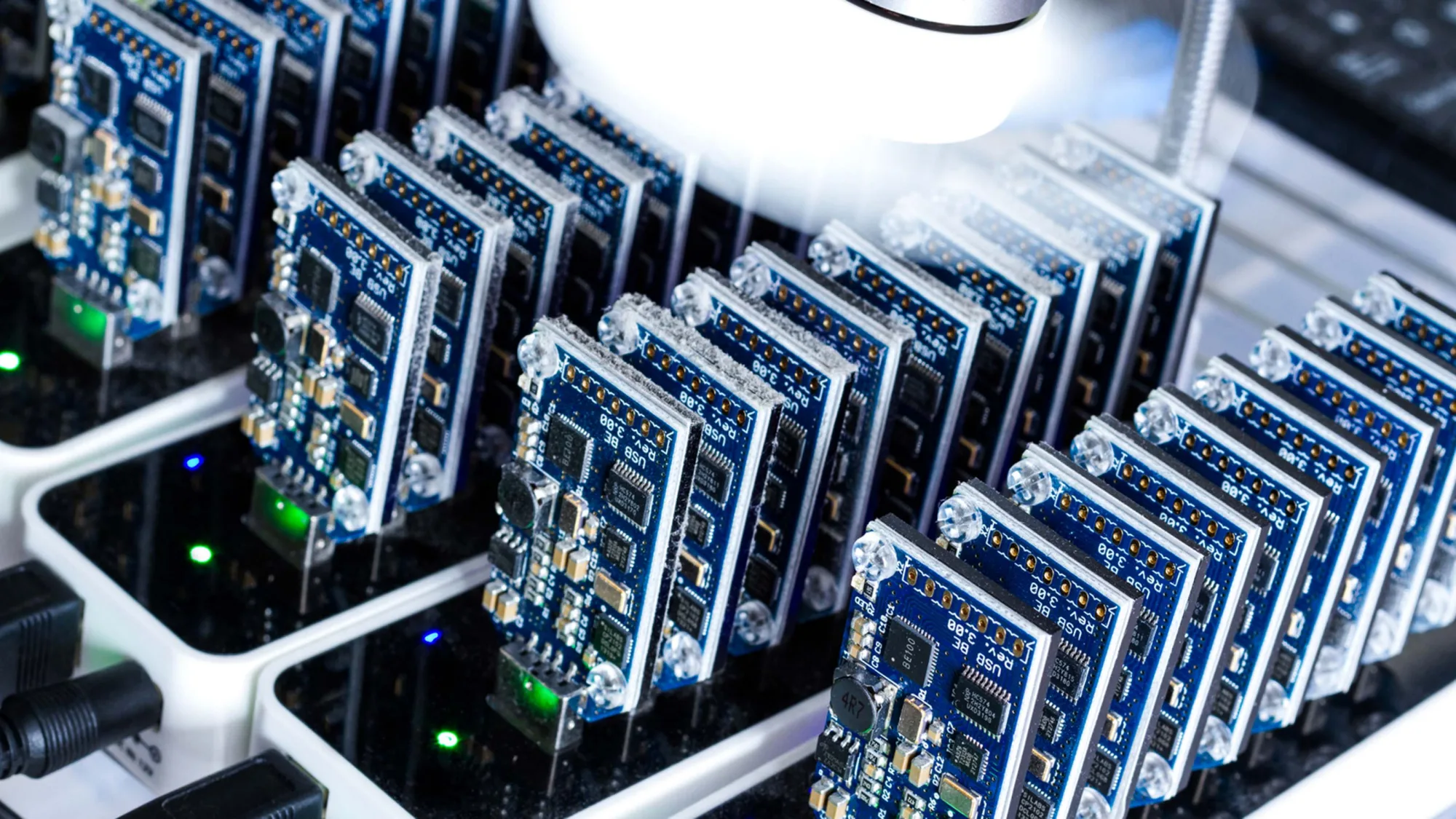
A robust IoT cloud infrastructure is essential for seamless device connectivity, real-time data processing, and remote management. At Axio Electronics, we help businesses build scalable, secure, and high-performance cloud ecosystems that ensure low-latency communication, automated updates, and enterprise-grade security for connected devices.
Our end-to-end IoT cloud solutions enable you to monitor, control, and optimize your devices efficiently—whether you need real-time analytics, AI-driven decision-making, or large-scale device management. We work closely with hardware, firmware, and DevOps specialists to design customized cloud architectures that seamlessly integrate with your IoT ecosystem.
- Scalable & Resilient Server Architecture
- IoT Protocol Integration – (MQTT, HTTP, SNMP, WebSockets, and more.)
- Real-Time Data Streaming & Analytics
- Admin Dashboard & Remote Device Management
- DevOps & CI/CD Automation
- Over-the-Air (OTA) Firmware & Cloud Updates
- AI & Machine Learning at the Edge & Cloud
- Security & Compliance
OUR CASE STUDY
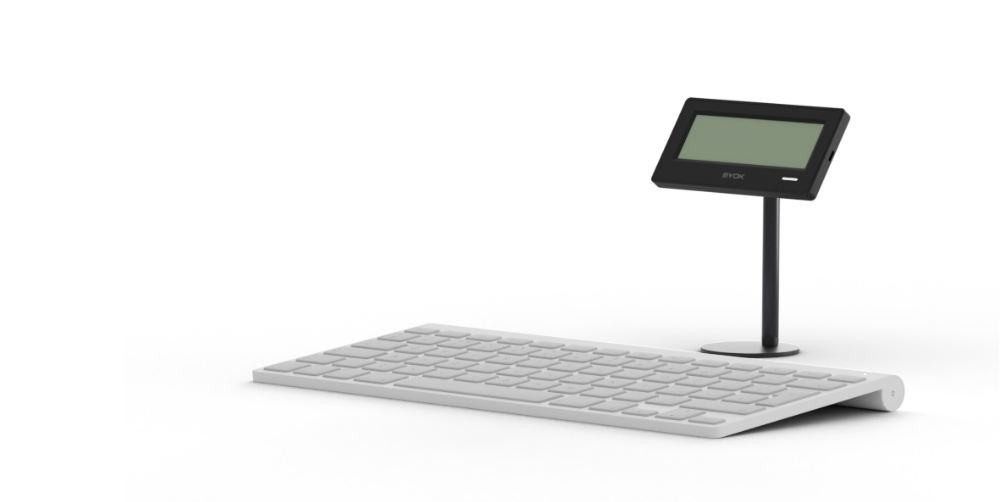
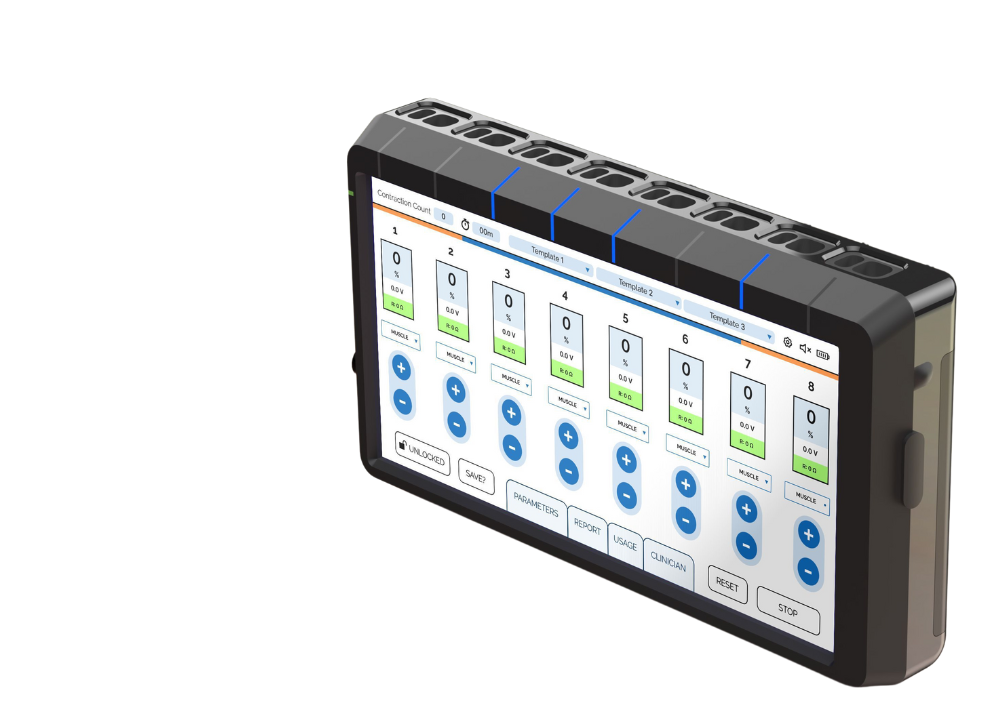
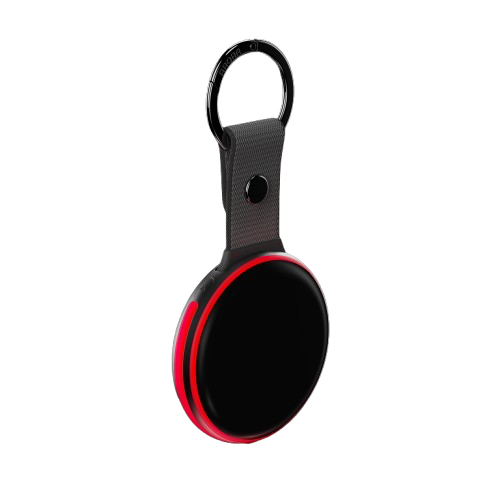
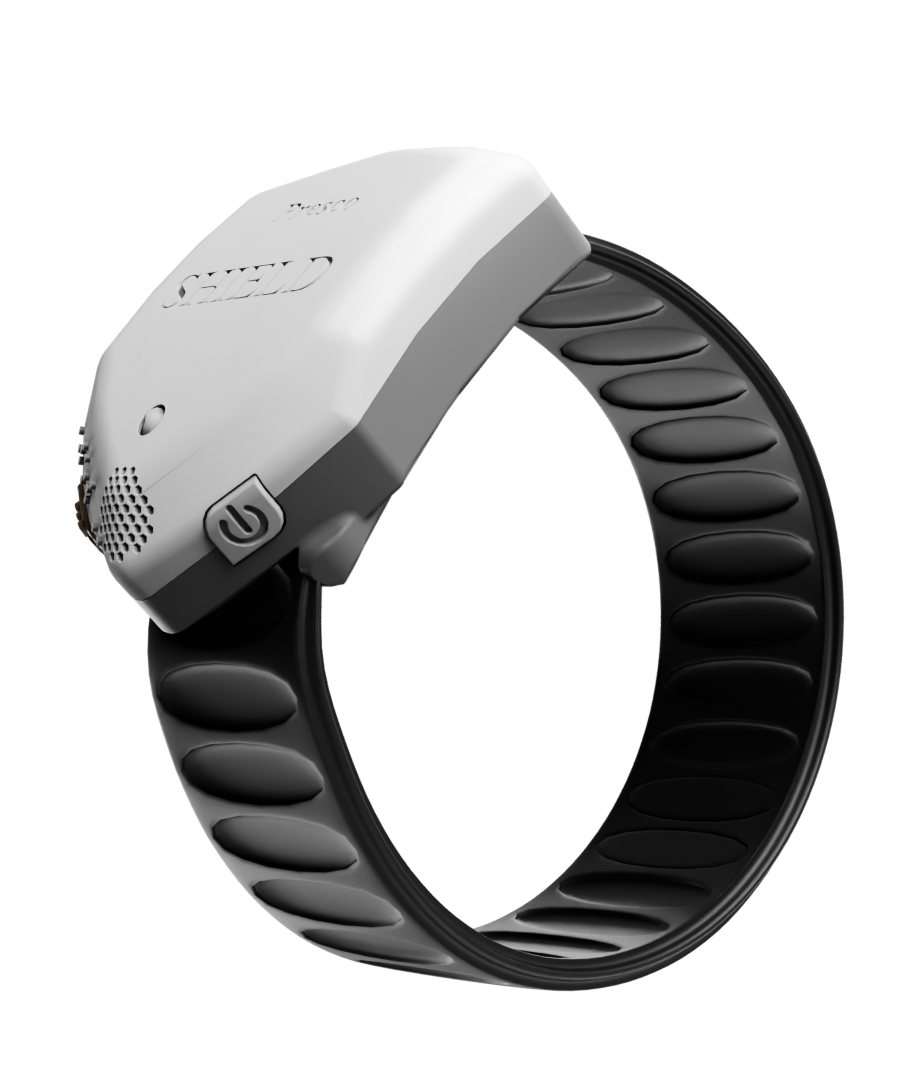
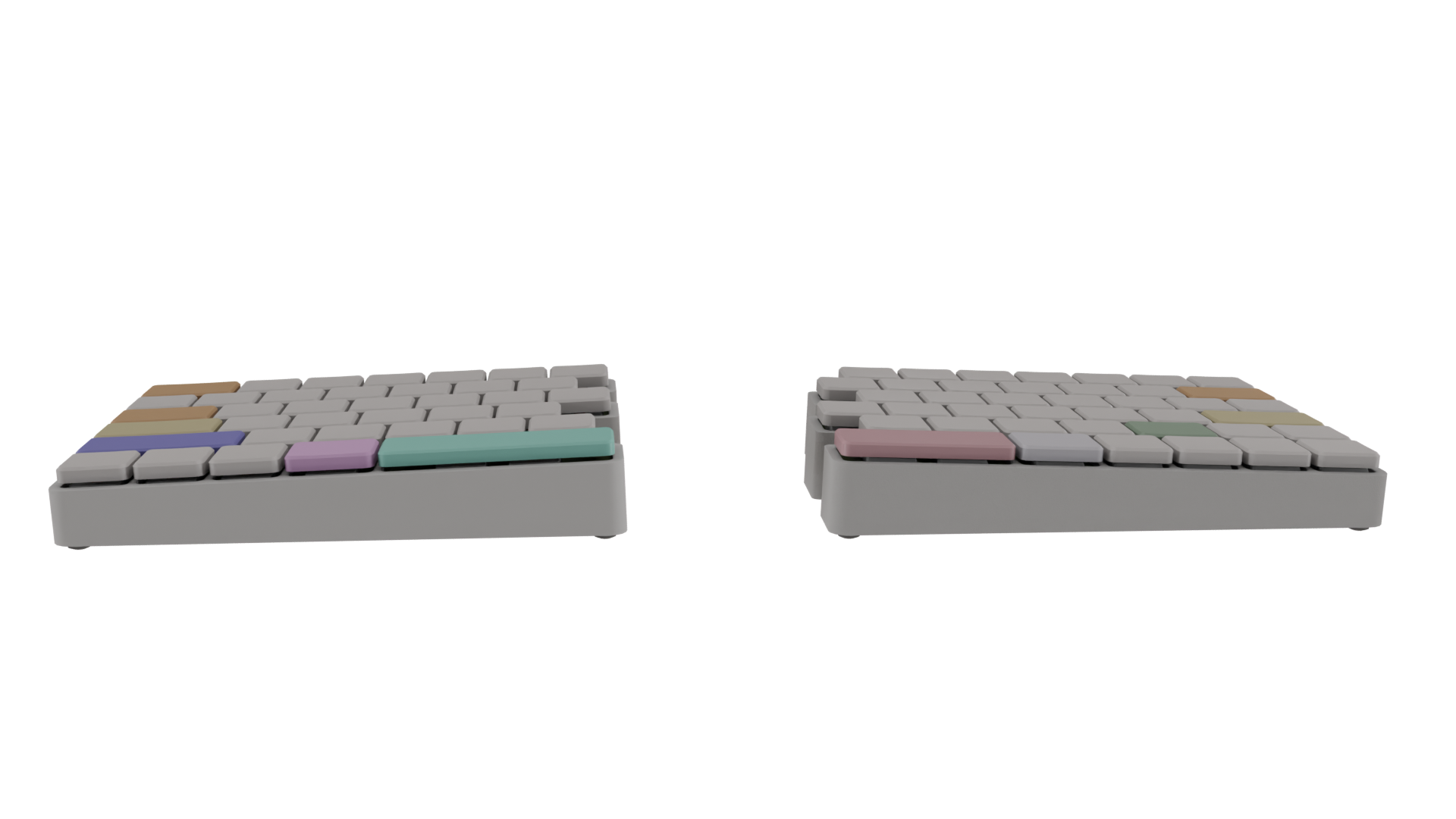
IoT & Cloud Guide & Timeline

Define IoT Use-Case & Data Model
1 dayConnectivity & Protocol Selection
1 dayCloud Architecture Design
2 DaysDevice-to-Cloud Integration
3 DaysCloud Processing & Storage
1 dayDashboard, APIs & User Access
1 daySecurity, Scaling & Maintenance
1 dayExpert IoT Cloud Engineering Team & Comprehensive Development Process
Axio Electronics IoT cloud team builds secure, scalable infrastructures for connected devices. We ensure seamless connectivity, real-time processing, and efficient device management.
With 50+ successful projects, we deliver reliable, cost-effective IoT cloud solutions built for the future.
CLOUD ARCHITECTURE & CORE DEVELOPMENT
Design scalable cloud infrastructure to support large-scale IoT deployments.
Integrate IoT communication protocols (MQTT, HTTP, SNMP, WebSockets, etc.).
Implement secure data encryption & authentication to protect device communication.
Tech stack / Tools: AWS, Azure, Google Cloud, IBM Cloud
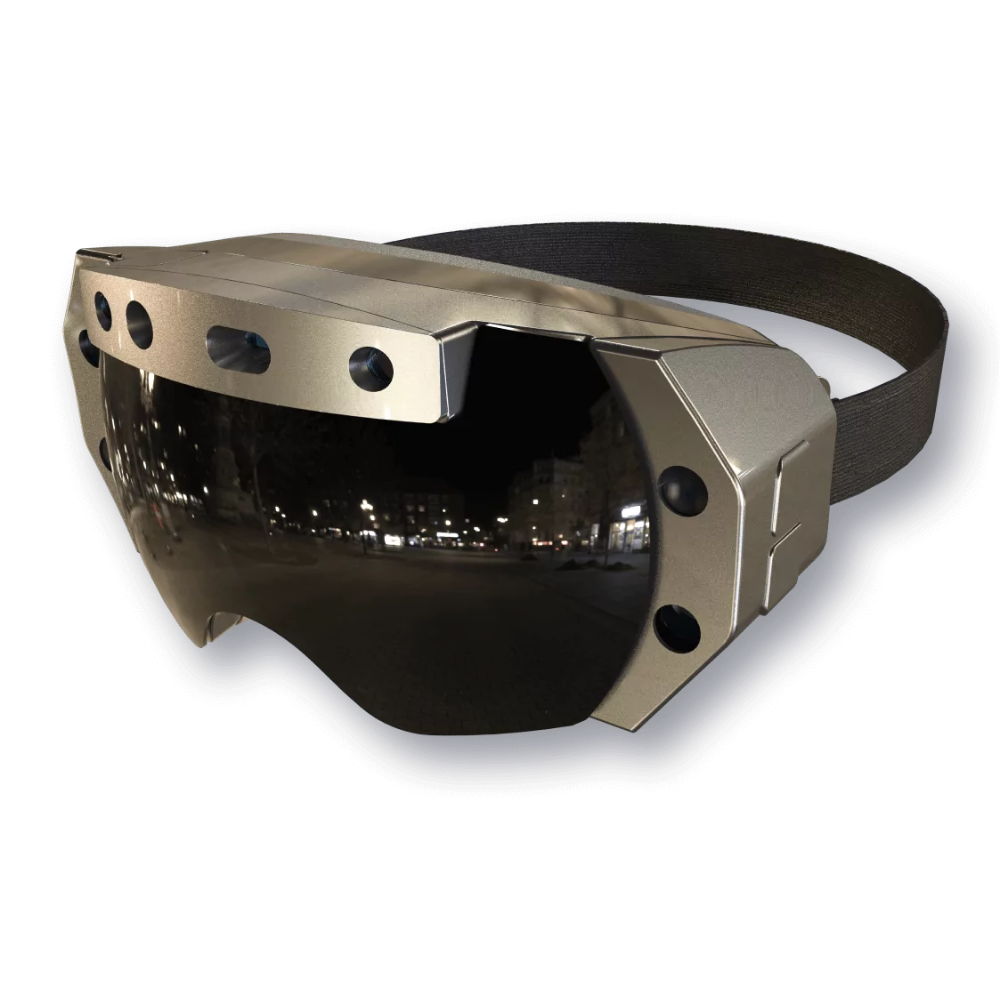

REAL-TIME CONNECTIVITY
TESTING, SECURITY & DEPLOYMENT
Validate cloud performance, latency, and reliability through rigorous testing.
Ensure security & compliance with industry standards for data protection.
Deploy and scale cloud infrastructure with DevOps & CI/CD automation.
• OAuth 2.0, JWT, Azure Key Vault,Vercal, Docker, GitHub
How we communicate?
Bi-weekly technical calls, Weekly PDF reports, Robust version control, project management access
Deliverables
(Timeline - 4-6 Weeks)*
- Scalable Cloud Infrastructure – Ready-to-deploy server architecture supporting real-time IoT data processing.
- Device Communication & Protocol Integration – Seamless connectivity via MQTT, HTTP, SNMP, WebSockets, and more.
- Admin Dashboard & Remote Device Management – A user-friendly interface for monitoring and controlling IoT devices.
- Real-Time Data Streaming & Analytics – Process, visualize, and analyze IoT data instantly.
- Over-the-Air (OTA) Updates – Secure firmware and cloud updates for seamless device management.
- Security & Compliance – Industry-standard encryption, authentication, and data protection.
- Deployment & Scalability Support – DevOps-driven CI/CD automation for smooth cloud integration and expansion.
DOWNLOAD SAMPLE
IOT & CLOUD
DOCUMENTS
We prepare for next steps
Prepare development plan from idea to manufacturing
Get a financial proposal for development
Frequently asked questions
How should I choose connectivity for an IoT product?
Compare range, payload, update rate, power budget, infrastructure, deployment location and ongoing operating cost. BLE, Wi-Fi and LPWAN approaches solve different problems; no protocol is best for every device.
What happens when the device loses connectivity?
Define offline behavior during requirements work: local control, buffered data, timestamps, retry limits and recovery. Test reconnection and data handling under the expected failure conditions.
What should an IoT development scope include?
Agree the device and cloud interfaces, provisioning, identity, data model, update approach, access controls and operational ownership. Include failure cases and handover documentation.
What should I share before requesting a proposal?
Share the problem to solve, intended users, product stage, required functions, operating environment and target quantity. Existing drawings, board files or test results help define the next engineering step.
Who owns the design files and source code?
Ownership, licensing, third-party components and handover files are defined in the project agreement. Agree these terms before development starts, including access to editable design files and source code.
How are development cost and schedule estimated?
The estimate depends on scope, technical uncertainty, prototype iterations, component availability and validation needs. An enquiry starts a scope discussion; it is not a fixed quote or a promised delivery date.
LET'S TALK ABOUT YOUR PROJECT.
PLEASE FILL OUT THE FORM AND WE'LL GET BACK TO YOU SHORTLY.
 Axio Electronics